
When Hashem asks for quality time on Yom Tov
Picture this: Your father calls and offers to pay for everything — flights, hotels, meals — just to spend a week together in the mountains. No agenda, no strings attached. Just quality time. And you respond with, "Sorry, Dad. I'm just not interested." The hurt in his voice would be devastating.
This scenario, painful as it sounds, captures exactly what happens when we treat Yom Tov as just another day off work. The festivals aren't religious obligations we grudgingly fulfill — they're personal invitations from Hashem himself.
The invitation you didn't know you received
The Hebrew word for festival, Moed, literally means "a meeting" or "coming together." Every Yom Tov is Hashem saying, "I want to spend time with you. Let's meet." When our ancestors gathered at the Beis HaMikdash, it wasn't just ritual observance — it was accepting a divine dinner invitation.
Think about that for a moment. The Creator of the universe, who could demand anything from us, asks for something beautifully simple: our time and attention. He wants us to sit at his table, so to speak, and experience closeness with him.
This perspective transforms everything about how we approach Yom Tov. Instead of focusing primarily on what we can't do — the work restrictions, the preparation stress — we can see these boundaries as Hashem clearing our schedule for something infinitely more meaningful.
Why rejection cuts so deep
The Mishna in Avos delivers a startling statement: someone who belittles Yom Tov has no portion in the World to Come. That seems incredibly harsh. After all, there are many serious transgressions in Judaism — why is dismissing the festivals singled out so severely?
The answer lies in understanding what rejection means to a relationship. When someone breaks other commandments, it's like a child doing something they've been told not to do. It's wrong, but it doesn't necessarily attack the relationship itself. But when we treat Yom Tov casually — working when we shouldn't, rushing through meals, or approaching the day with indifference — we're essentially telling Hashem, "I'm not interested in being with you."
Imagine if every time your spouse suggested quality time together, you found an excuse to be busy instead. Eventually, they'd get the message that the relationship isn't your priority. The pain isn't just about the broken rule — it's about the rejected relationship.
The gift of undistracted time
Hashem's wisdom in commanding us to stop work on Yom Tov becomes clear when we understand his true intention. As Chazal explain, a person cannot properly think while burdened with worldly activities. The work prohibition isn't about making life difficult — it's about creating space for something extraordinary.
On Pesach, Hashem wants us to relive the Exodus, to imagine ourselves witnessing the Ten Plagues and walking through the split sea. During Shavuos, he invites us to stand again at Mount Sinai, feeling the awe of receiving the Torah. On Sukkos, we're meant to experience his protective care during our 40 years in the wilderness.
These aren't ancient history lessons — they're opportunities to deepen our relationship with Hashem by understanding what he's done for us. The more vividly we can picture these miracles, the more our appreciation and love for him grows.
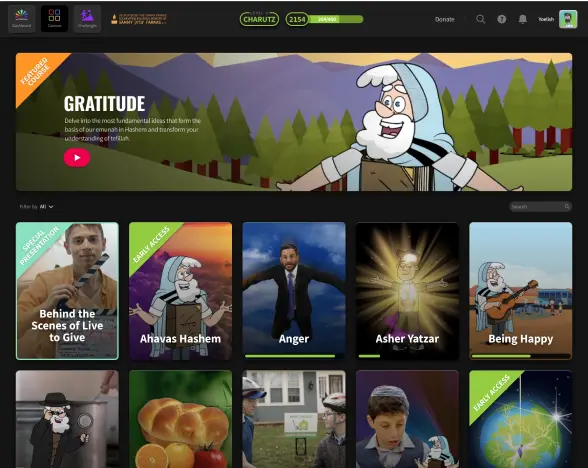
Our engaging exploration of Yom Tov's deeper purpose brings these concepts to life through stories and insights that help families connect with the true meaning behind each festival.
Practical steps to embrace the invitation
Transform your approach to Yom Tov with these concrete actions:
Create anticipation before the holiday arrives. Spend time during the week leading up to Yom Tov learning about the specific miracles associated with that festival. Read the stories with your family and discuss what it would have been like to witness these events firsthand.
Establish a "no rush" policy during festival meals. Instead of hurrying through Kiddush or racing to finish eating, intentionally slow down. Use mealtime conversations to share insights about the holiday's significance and personal moments of gratitude.
Practice visualization during prayers and rituals. When making Kiddush or performing other Yom Tov observances, take a moment to picture yourself accepting Hashem's invitation. Imagine him genuinely wanting to spend this time with you.
Share the invitation with others. Invite guests who might otherwise spend Yom Tov alone. When we include others in Hashem's invitation, we're extending his hospitality and creating more opportunities for meaningful connection.
Reflect on personal miracles during holiday observance. While remembering the historical miracles of each festival, also think about the personal "miracles" Hashem has done in your life. This connects ancient events to present-day relationship.
Beyond obligation to relationship
When we shift from viewing Yom Tov as religious duty to seeing it as quality time with Hashem, everything changes. The work restrictions become opportunities for focused attention. The special meals become chances to celebrate together. The gathering of family and community becomes a reflection of Hashem's desire to bring his children close.
This doesn't mean Yom Tov will suddenly become effortless — preparation still requires work, and family dynamics can still be challenging. But understanding the invitation behind it all provides context that transforms our experience. We're not just observing traditions; we're accepting an invitation from someone who loves us and wants our company.
The next time Yom Tov approaches, remember: Hashem is essentially saying, "I've cleared your schedule, prepared everything you need, and I'm hoping we can spend time together." The question isn't whether we can afford to accept such an invitation — it's whether we can afford to decline it.
Ready to help your family experience Yom Tov as the divine invitation it truly is? Explore Torah Live's inspiring videos and interactive content that transform holidays from obligation into celebration. Sign up free and discover how quality time with Hashem can become the highlight of your family's Jewish year!