How Pe'ah teaches us the art of holy giving
Ever notice how modern giving often feels like a transaction? We write a check, swipe a card, or click "donate now" — and we're done. But imagine if giving required you to leave your business unfinished, to deliberately create an opening for others to step in and take what they need. That's exactly what Pe'ah demands of us.
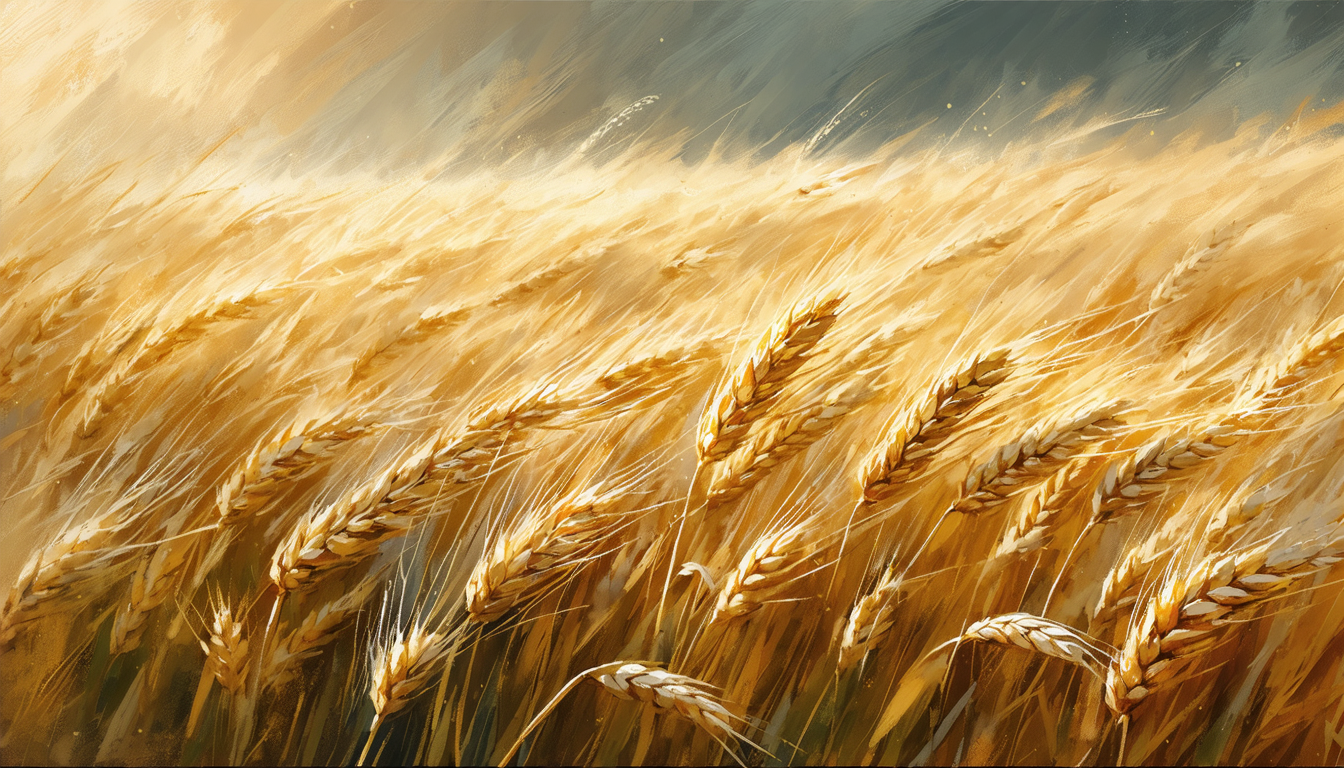
Pe'ah represents one of Torah's most beautiful expressions of social responsibility. When Jewish farmers harvested their fields, orchards, or vineyards, they were commanded to leave a portion unharvested at the field's edge. This wasn't charity in our modern sense — it was a mitzvah that transformed the very act of harvesting into an opportunity for Chessed.
The mechanics of holy sharing
The Torah doesn't specify exactly how much Pe'ah a farmer must leave, but our Sages established that at minimum, one-sixtieth of the entire field should remain unharvested. Picture this: you've worked all season, invested time and money, watched your crops grow — and just when you're ready to collect your full reward, the Torah says "stop." Leave something behind.
But Pe'ah wasn't random leftover scraps. The Gemara teaches us that Pe'ah should come from the choicest part of the field, ensuring that what's left for the poor maintains dignity and quality. This detail reveals something profound about the Torah's understanding of giving.
What makes Pe'ah particularly striking is its accessibility. The poor didn't need to apply, prove their worthiness, or endure scrutiny. They simply came and took what they needed. No intermediaries, no bureaucracy — just direct, dignified provision.
When ancient wisdom meets modern reality
Today's agricultural reality presents us with a fascinating halachic development. Our Torah Live course on Pe'ah explains that since modern poor people find it more economical to purchase food from stores rather than glean from fields, leaving Pe'ah in the field would only benefit animals — not its intended recipients.
This practical shift doesn't diminish Pe'ah's relevance; it transforms it. The mitzvah's essence — creating systematic, dignified opportunities for others to meet their needs — remains as vital as ever. We're simply called to apply this principle in ways that serve today's poor effectively.
Rabbi Dessler's famous giver/taker framework illuminates why Pe'ah matters so deeply. A taker looks at their field and sees only personal profit. A giver sees their harvest as Hashem's blessing meant to be shared. Pe'ah literally builds giving into the structure of success, ensuring that every farmer develops a giver's perspective.
The psychology of incomplete harvests
Pe'ah does something remarkable to the human psyche. By requiring farmers to stop before completion, it interrupts the natural human tendency toward total accumulation. Imagine the mental shift: instead of harvesting everything possible, you deliberately leave abundance behind.
This interruption serves as a constant reminder that our success is never purely individual. Every blessing carries responsibility. Every harvest includes an obligation. Every moment of plenty creates an opening for Chessed.
The Orchos Tzadikim explains that giving before being asked develops different spiritual muscles than reactive charity. Pe'ah represents proactive generosity — anticipating need rather than responding to it. When farmers left Pe'ah, they didn't know who would come or when. They simply trusted that need would find provision.
Practical steps for modern Pe'ah thinking
Create systematic giving opportunities. Instead of waiting for charity requests, establish regular giving commitments that don't depend on your mood or circumstances. Like Pe'ah, let your generosity become structural rather than emotional.
Practice "incomplete success" deliberately. When you complete a project, earn money, or achieve a goal, consciously designate a portion for others before celebrating your full achievement. Let Pe'ah train you to see sharing as integral to success.
Build dignity into your giving. Pe'ah allowed the poor to take directly, preserving their dignity. Look for ways to help others that empower rather than create dependence. Sometimes the most Pe'ah-like gift is creating opportunities rather than giving handouts.
Develop anticipatory awareness. Start noticing needs before they become crises. Pe'ah farmers didn't wait for the poor to ask — they prepared provision in advance. Practice seeing where help will be needed and preparing accordingly.
Transform abundance into access. Whether it's your professional skills, your social connections, or your resources, consider how your "harvest" can be structured to benefit others. What edges of your success could naturally serve those who need what you have?
The harvest that never ends
Pe'ah reveals a stunning truth: the most meaningful harvests are the incomplete ones. When we leave room for others in our success, we discover that giving doesn't diminish our abundance — it sanctifies it. Every unharvested edge becomes an invitation for Hashem to bless us through our generosity.
The farmers who practiced Pe'ah didn't just grow crops; they grew communities. They didn't just harvest produce; they harvested opportunities for Chessed. In leaving something behind, they created something eternal.
Ready to explore how ancient agricultural wisdom transforms modern family life? Torah Live's engaging videos and interactive content bring mitzvos like Pe'ah to life with stunning visuals and practical applications. Sign up free and discover how Torah learning becomes an adventure your whole family will treasure!