
Why Shavuos celebrates preparation more than receiving the Torah
Ever wonder why the most important moment in Jewish history — receiving the Torah at Har Sinai — gets such a quiet mention in the Torah itself? Here's something that might surprise you: nowhere in the Torah does it call Shavuos "Chag Matan Torah" (the holiday of giving the Torah). Instead, it simply mentions counting seven weeks and bringing a wheat offering on the fiftieth day.
This seeming oversight isn't an accident. It's a profound teaching about what we're really celebrating.
The Torah's mysterious silence
In Parshas Emor, the Torah describes Shavuos matter-of-factly: count seven weeks from Pesach, then bring a new offering made from wheat. No mention of Sinai, no thunder and lightning, no "anniversary of revelation." Just wheat.
The Alsheich HaKadosh asks an even deeper question: why call it "Shavuos" (weeks) at all? If you're celebrating the fiftieth day, call it "Yom HaChamishim" (the fiftieth day). Why name a holiday after the preparation period rather than the climactic moment?
His answer revolutionizes how we understand this Yom Tov entirely.
Celebrating what we kept, not what we lost
When Moshe came down from Har Sinai and saw the golden calf, he shattered the first set of Luchos. That original Torah — the one we were supposed to receive on Shavuos — was lost. What did we have left? The seven weeks of preparation.
So Shavuos isn't celebrating that we received the Torah. It's celebrating that we spent seven weeks preparing ourselves to be worthy of receiving it. The preparation itself became the holiday.
Think about it: we sing in the Haggadah, "If You had brought us to Har Sinai and not given us the Torah, Dayeinu — it would have been enough." Why would standing at a mountain without receiving Torah be sufficient? Because the real transformation happened during those seven weeks of preparation.
From animal to human in seven weeks
Here's where the wheat offering becomes meaningful. In ancient times, barley was animal food while wheat was for humans. On the second day of Pesach, we bring a Korban Omer from barley. Seven weeks later, we bring an offering from wheat.
This progression represents our own transformation during Sefirat HaOmer. We begin the counting period functioning on an animal level — driven by instinct, immediacy, and physical needs. Through seven weeks of intentional growth, we elevate ourselves to a human level — capable of receiving and living by Torah.
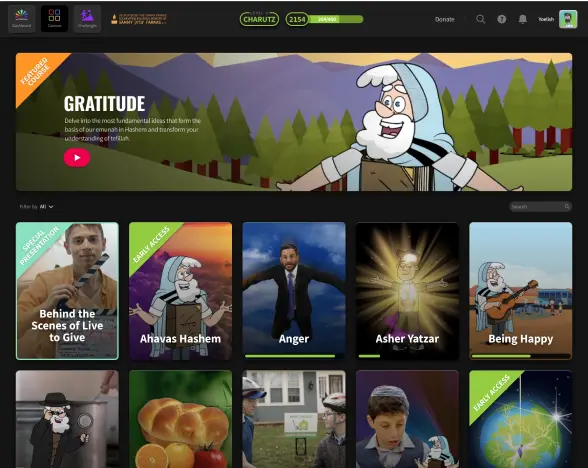
Our interactive exploration of Shavuos brings this transformation to life, showing how each day of counting contributes to our spiritual elevation.
The power of preparation
This insight changes everything about how we approach Shavuos. We're not just commemorating a historical event — we're celebrating the ongoing process of becoming worthy recipients of Torah.
Every year, Sefirat HaOmer offers us the same opportunity our ancestors had: seven weeks to transform ourselves from our lower instincts to our higher potential. The holiday of "weeks" reminds us that preparation isn't just what happens before the main event. Preparation IS the main event.
When we take preparation seriously, we discover that the process of becoming ready is often more transformative than the moment of arrival.
Your seven-week transformation plan
Here's how you can tap into the power of preparation this year:
Track your daily growth: Choose one middah (character trait) to focus on during Sefirat HaOmer. Each week, work on a different aspect of that trait. Write down one small victory each day.
Create preparation rituals: Just as the Korban Omer marked the beginning of this process, establish a daily ritual that reminds you you're in preparation mode. It could be a special brocha, a moment of reflection, or reading one Mishnah.
Embrace the gradual process: Notice how Torah avoids dramatic, overnight transformations. Even receiving the Torah required seven weeks of preparation. Give yourself permission to grow gradually and celebrate small steps.
Study with anticipation: As Shavuos approaches, learn Torah with the excitement of someone preparing to receive it for the first time. Ask yourself: "What kind of person do I need to become to be worthy of this wisdom?"
Make Shavuos about readiness: When Shavuos arrives, focus less on what you're commemorating and more on who you've become through the preparation process.
Ready to make this Shavuos about transformation, not just commemoration? Sign up free and discover how preparation can become your family's favorite part of the journey to Sinai!