Everyone has limitations — and that's exactly the point
Ever notice how quickly we size people up? A glance at someone in a wheelchair, a child who communicates differently, a person who doesn't quite "fit in" — and we've already decided what they can or can't contribute. But here's the thing: the Torah flips that assumption on its head. Inclusion isn't a modern buzzword. It's a Mishnah in Pirkei Avos.
The disability you can't see
Here's a truth that's easy to forget: everybody has limitations. Every single person. The only real question is whether yours are visible.
Some people struggle with learning. Others battle anxiety. Some have trouble paying attention. Some have a hard time expressing themselves. And then there are people who seem to have no limitations at all — and as any honest observer will tell you, those people often develop a different kind of limitation entirely. They start thinking they're better than everyone else.
That's a disability too. It's just harder to spot.
The moment we realize that none of us is the "finished product" — that every person walks around with challenges, some visible and some hidden — our whole attitude toward inclusion shifts. It stops being about charity. It becomes about honesty.
Why the greatest leader had a speech impediment
Think about this for a moment. Hashem is choosing someone to lead the Jewish people out of Mitzrayim. To stand before Par'oh. To receive the Torah at Har Sinai. And He picks Moshe Rabbeinu — a man with a speech impediment.
Not despite the impediment. Because of it.
Hashem specifically wanted a leader with a visible limitation. Why? Because the Torah's message was never supposed to depend on smooth talking or a polished image. It was supposed to come through a person who needed help — just like the rest of us.
Moshe Rabbeinu didn't succeed in spite of his limitation. His limitation was part of the package. It was woven into his mission. And that changes how we look at every person who seems to be "lacking" something.
Don't think lightly of any person
Ben Azzai teaches in Pirkei Avos (4:3): "Al tehi vaz l'chol adam" — don't think lightly of any person. Why? Because "ein lecha adam she'ein lo sha'ah" — there is no person who doesn't have their moment.
Every single human being has a purpose that only they can fulfill. And you never know when that moment will come.
The Gemara tells us that Dovid Hamelech once wondered why Hashem created spiders. What possible purpose could they serve? Then one day, running for his life, he hid in a cave. A spider spun a web across the entrance. His pursuers saw the web and assumed no one could be inside. Dovid was saved — by the very creature he had dismissed.
The lesson isn't just about spiders. It's about people. The person you think is "too much trouble" to include might be carrying a purpose you can't begin to imagine.
Inclusion isn't kindness — it's justice
There's a famous exchange in the Gemara between Turnus Rufus and Rebbe Akiva. Turnus Rufus asks: if Hashem loves the poor, why did He make them poor? Rebbe Akiva answers: so that others can earn the Zechus of giving Tzedakah.
But here's the crucial part that's easy to miss. When you help someone — whether through Tzedakah or by making space for a person with special needs — it doesn't make you superior to them. Not even a little.
The word Tzedakah comes from Tzedek, which means justice. It's not about being generous from a position of strength. It's about giving others what they need so they can accomplish their mission in this world. You're not doing them a favor. You're fulfilling the way Hashem designed the world to work.
The community's job — and yours
The Mishnah in Pirkei Avos (2:4) says: "Al tifrosh min hatzibbur" — do not separate yourself from the community. But separation works both ways. You can walk away from the community, or the community can push you out. The result is the same. Someone is left on the outside.
When a Shul doesn't have a ramp, that's a message. When a school doesn't accommodate children with learning differences, that's a message too. And when a community simply can't be bothered to make room — that's the loudest message of all.
Inclusion takes effort. It means making Siddurim available in accessible formats. It means rethinking how we set up our spaces. It means pausing before we dismiss someone because their needs feel inconvenient.
But that effort isn't extra credit. It's the baseline of what it means to be part of Klal Yisrael.
Five things you can do today
Notice your assumptions. The next time you meet someone with a visible limitation, catch yourself. Ask: am I deciding what this person can contribute before I've given them a chance?
Look for the barrier, not the deficit. If someone can't participate in your Shul, school, or Shabbos table, ask what's blocking them — not what's "wrong" with them. Sometimes inclusion is as simple as a ramp, a large-print Siddur, or an extra moment of patience.
Check your language. Words matter. Instead of defining someone by their limitation, try person-first language. It's a small shift that changes how we — and they — see the situation.
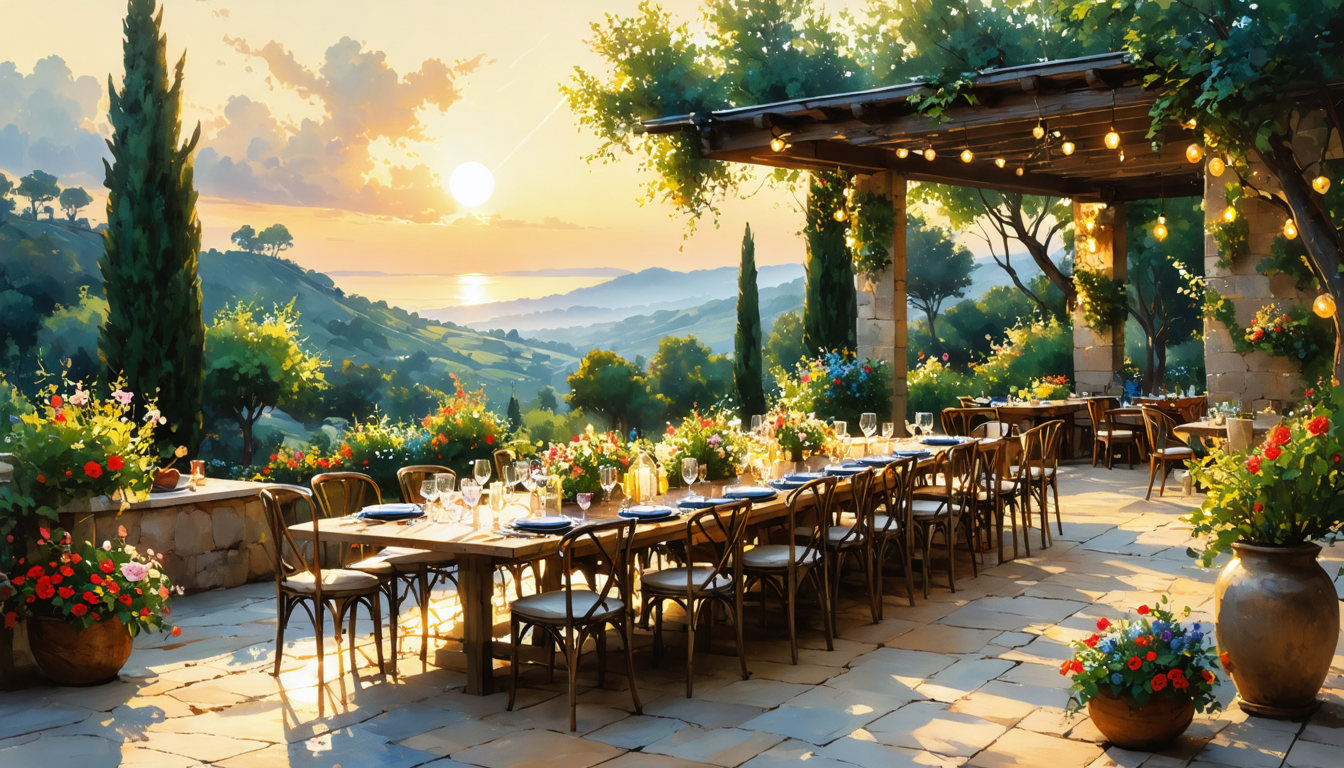
Invite someone in. Think of one person in your community who tends to be on the margins. Invite them for a Shabbos meal. Include their child in a playdate. Make space at the table — literally.
Start the conversation at home. Ask your kids: what limitations do you see in yourself? How does it feel when someone leaves you out? These conversations plant seeds that last a lifetime.
Everyone deserves a seat at the table
Hashem sends every Neshamah into this world with a mission. And He gives every person exactly the tools they need to fulfill it — including their limitations. Those limitations aren't accidents. They're part of the design.
So the next time you look at someone and wonder what they could possibly contribute, remember the spider. Remember Moshe Rabbeinu. Remember that the person in front of you carries a purpose you may never fully understand — but that doesn't make it any less real.
Inclusion isn't about being nice. It's about seeing the world the way the Torah asks us to see it: every person matters, every person has their moment, and every person deserves a place at the table.