
Why your toddler's Hebrew letters need more than just memorization
Ever watch a three-year-old try to write Hebrew letters? They're focused, determined, and — let's be honest — probably holding the crayon upside down. But here's what most parents miss: when we teach Aleph-Bais to our little ones, we're not just teaching letters. We're laying the foundation for a lifetime relationship with Torah.
Morah Chaya Shapiro understands this beautifully. In her interactive Fey adventure, she doesn't just show children how a Pey transforms into a Fey when its dot disappears. She creates an entire world where Hebrew letters come alive through story, movement, and discovery.
When learning becomes living
Think about how our ancestors taught Torah to their children. They didn't hand them workbooks and say "memorize this." They wove Torah into daily life — through stories at meals, through songs while working, through the rhythm of Shabbos preparations.
This same principle applies to teaching Hebrew letters today. When Fiji the character needs her kfafos (gloves) and megafayim (boots) for the snow, children aren't just learning vocabulary. They're experiencing Hebrew as a living language that describes their own world.
Rabbi Wolbe taught that real learning happens when knowledge connects to experience. A child who discovers that the letter Fey "lives" in everyday words like winter clothing isn't just memorizing — they're building neural pathways that will serve them for life.
The magic of multisensory Torah learning
Here's something fascinating: when children shake their hands to feel "freezing" while learning about charef (winter), they're engaging multiple learning channels simultaneously. This isn't just good pedagogy — it's how our tradition has always worked.
Consider how we experience Pesach. We don't just read about freedom; we taste the maror, lean while drinking wine, and physically act out the story. The same principle applies to early Hebrew education. Movement, sound, and story create lasting memories that pure repetition never could.
When your toddler counts "one, two, three" and watches a Pey magically transform into a Fey, they're learning that Hebrew letters aren't static symbols — they're dynamic, living parts of our heritage.
Building confidence through discovery
Notice how Morah Chaya invites children to participate: "Do you want to help me turn the Pey into a Fey?" This isn't passive consumption — it's active partnership in learning.
This approach reflects a deeper Torah principle. Our Chachamim teach that when we involve children in discovery, we're not just transferring information — we're developing their capacity for independent Torah thinking. A child who helps transform letters today is more likely to ask meaningful questions about Torah tomorrow.
The confidence that comes from "I helped make that happen" is exactly what we want our children to feel about Torah learning. Not "I have to memorize this" but "I get to discover this."
Practical steps for parents
Create Hebrew moments throughout your day. When your child puts on gloves, mention kfafos. When they put on boots, say megafayim. Hebrew shouldn't live only in formal lesson time.
Let your child be the teacher. After watching a Hebrew letter video, ask them to show you what they learned. Children retain information better when they explain it to others.
Celebrate small discoveries. When your child recognizes a Hebrew letter in a different context, make it a big deal. "You found a Fey! Amazing!" This builds positive associations with Hebrew literacy.
Use physical movement. Have your child trace letters in the air, clap out syllables, or act out the stories. Their bodies and minds learn together.
Connect letters to stories. Don't just teach isolated letters — embed them in narratives that matter to young minds. Children remember stories long after they forget drills.
The foundation that lasts
When we teach Hebrew letters with joy, creativity, and meaning, we're doing something profound. We're showing our children that Torah learning isn't a burden to bear — it's a treasure to discover.
Years from now, when your child sits in their first real Torah class, they won't remember every detail about Fiji and her winter clothes. But they will remember this: learning Hebrew felt good. Torah was fun. Jewish knowledge brought them joy.
And that feeling — that deep, positive association with Torah learning — will carry them through every stage of their Jewish journey.
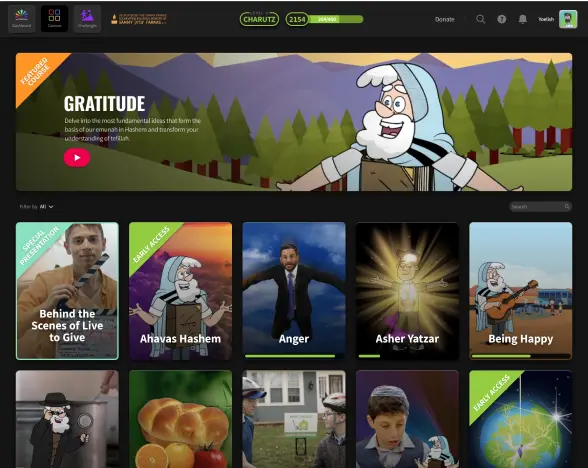
Ready to transform Hebrew learning from chore to adventure? Torah Live's interactive videos and games make every letter discovery a celebration. Join thousands of families who've discovered that when Torah learning is fun, children don't just learn — they thrive. Sign up free and watch your little ones fall in love with Hebrew!