Teaching the Ha'adama bracha your kids will love
Ever watch a toddler hold up a carrot and ask, 'What do I say first?' That tiny question holds something huge. Learning the Ha'adama bracha is one of the first ways our little ones learn to pause and thank Hashem for the food in their hands.
In Morah Chaya's delightful video, kids meet Mr. Adama Man, a cheerful character built entirely from foods that grow in the ground. His head is a pepper, his body a potato, his arms carrots, and his feet strawberries. It's playful, it's silly, and it quietly teaches a real piece of Halacha that children remember for life.
Why the Ha'adama bracha matters so much
Chazal teach that it's forbidden to enjoy this world without first making a bracha. The Gemara in Berachos calls eating without a bracha like taking from something that isn't yours. A bracha is the small act that turns a snack into a moment of connection.
For young children, the Ha'adama bracha is especially powerful because it's hands-on. They can see the carrot grow in the dirt. They can touch the potato. When a child says Borei pri ha'adama over a cucumber, they're learning that everything delicious comes from Hashem, and that noticing it is a gift.
Takeaway: Before handing your child a veggie snack, pause together and name the bracha. That one-second habit builds a lifetime of gratitude.
Making brachos stick through play
Rabbi Wolbe taught that real growth comes through awareness, slowly and joyfully, not through pressure. That's exactly how little ones learn best. When Morah Chaya walks through the different 'stores' where foods live, Hamotzi, Mezonos, Hagafen, and more, she's helping kids sort the world into categories they'll use forever.
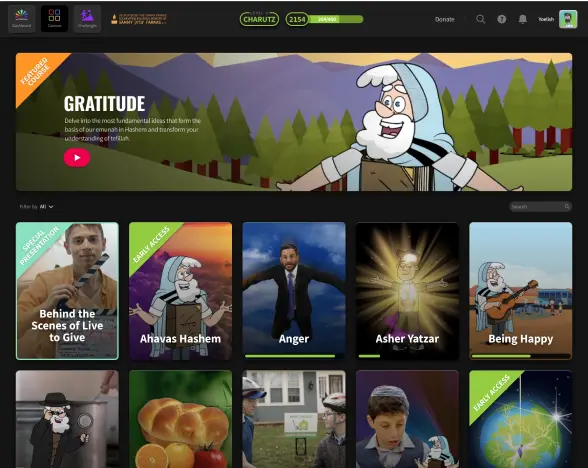
The genius is that the children are doing the thinking. They shout out whether a food belongs in Mr. Adama Man's house. They guess what grows next in the garden. You can bring this same energy home with our interactive Ha'adama bracha video, which turns a Halacha into a game your kids will beg to play again.
Takeaway: Turn bracha learning into a guessing game. Hold up a food and ask, 'Does this grow high on a tree or low in the ground?'
Gratitude starts in the garden
Rabbi Dessler explains that the heart of a healthy person is being a giver, someone who notices and appreciates. A child who thanks Hashem for a watermelon is learning to be a giver of gratitude, not a taker who grabs and runs.
When your child says the Ha'adama bracha, they're training their eyes to see Hashem's chessed in the simplest things. A potato. A red pepper. A cucumber pulled from the earth. That's emunah growing right alongside the vegetables.
Takeaway: After your child eats, ask them one thing they loved about their food and thank Hashem together out loud.
Simple ways to practice the Ha'adama bracha today
Here are a few easy wins you can try right now:
Build your own Adama Man. Arrange veggies on a plate into a silly figure and let your child name each part. Then say the bracha together before eating him.
Play the 'high or low' game. Name a food and have your child shout whether it grows high on a tree or low in the ground. This sorts Ha'adama from Ha'eitz in a fun way.
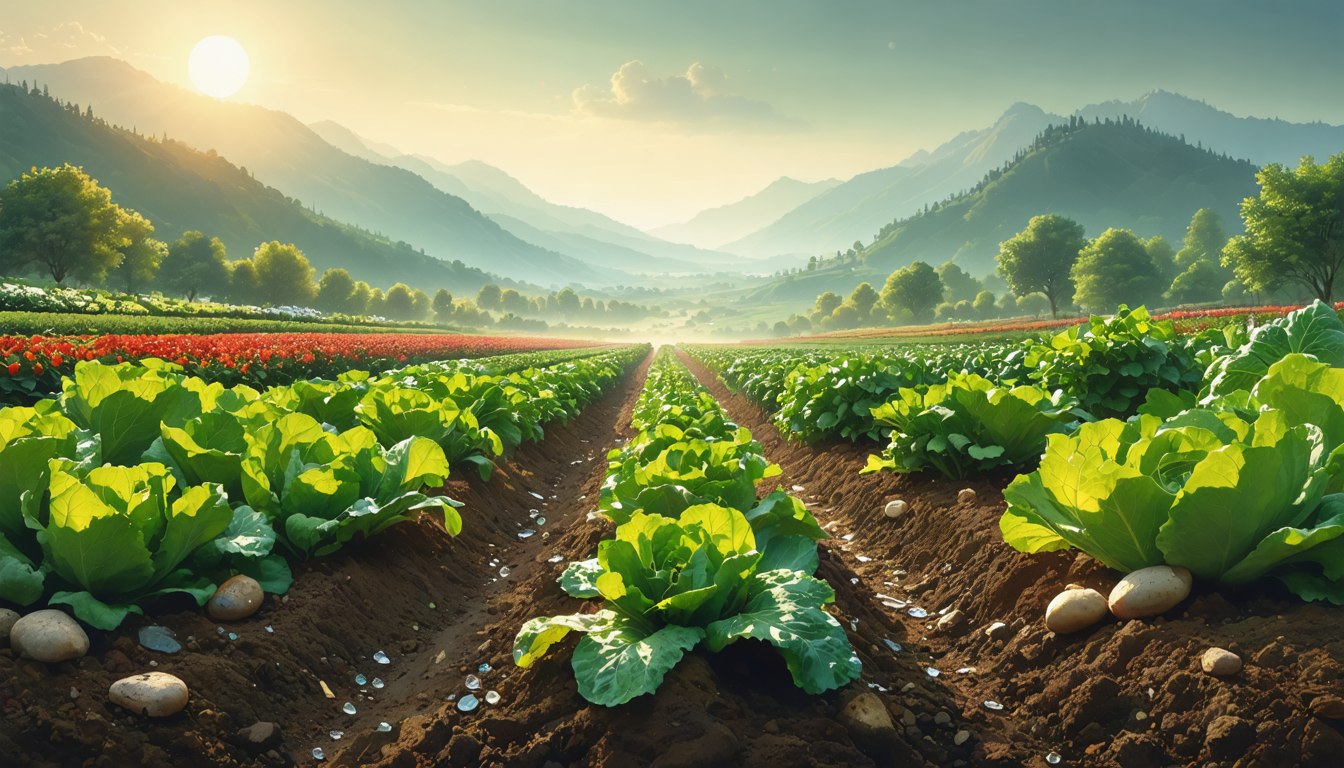
Make a garden visit count. Point out veggies growing close to the soil and say, 'That's a Ha'adama food.' Seeing it grow makes the bracha real.
Create a bracha chart. Hang a simple chart in the kitchen with pictures of Ha'adama foods so your child can check before snack time.
Small brachos, big hearts
That carrot in your toddler's hand is more than a snack. It's a chance to pause, to notice, and to thank Hashem. The Ha'adama bracha teaches our children that the world is full of gifts worth stopping for.
Ready to make Torah learning the highlight of your family's day? Step into Torah Live's world of unforgettable videos, games, and challenges that make mitzvos come alive. It's 100% clean, genuinely fun, and completely ma'aser approved. Start your family's Torah adventure today and watch snack time become soul time.