Teaching kids about Chanukah oil: the olive's story
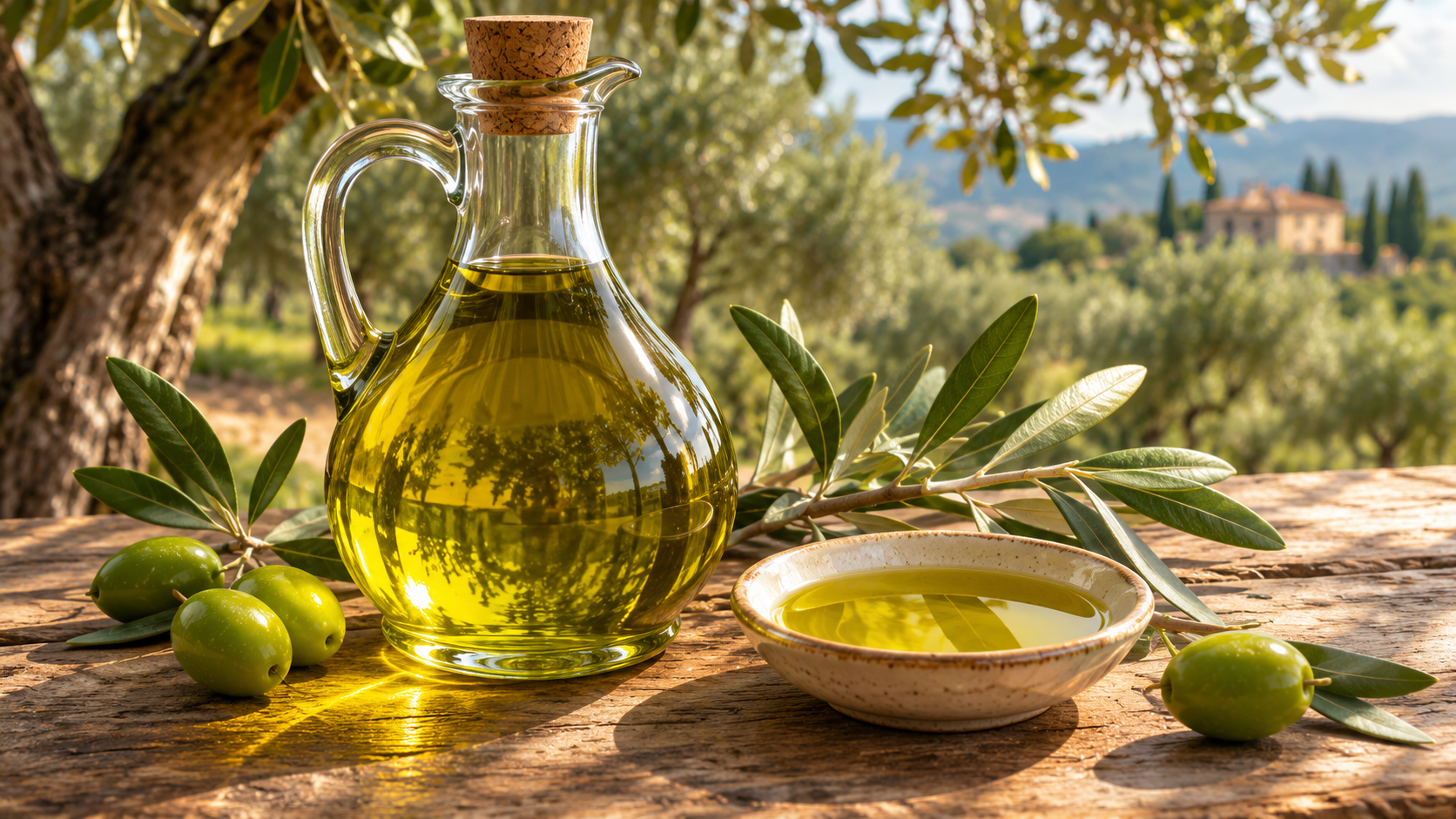
In the video, the Morah holds up a bottle and reads the label slowly with her young viewers. It says olive oil. In Hebrew, shemen zayis. Then she asks the obvious question: where do we get olive oil from? The answer comes right back: from the store. With Chanukah 11 days away, that small moment is a wonderful place to start teaching kids about Chanukah oil, because it shows us exactly what our children are missing.
Our kids are growing up in a world where almost everything appears on a shelf, ready to use. Milk comes in a carton. Bread comes in a bag. Oil comes in a bottle. But the nes (miracle) of Chanukah only makes sense to a child who knows how much work goes into one small jar of oil. Once they know that, the story stops being a fact they memorized. It becomes something they can feel.
Start with the bottle in your kitchen
The video, Let's Make Olive Oil from the Lessons for Little Ones course, opens with a simple reminder. On Chanukah, the most exciting thing we do is light the menorah. The Morah explains that some people light with candles, and some people use what they used in the Bais HaMikdash to light the Menorah: olive oil.
You can do the same thing at home. Take the bottle out of the cupboard and put it on the table. Let your child find the words on the label. Then ask the Morah's question and let them answer. Almost every child will say the store. That's fine. It is the honest starting point, and it opens the door to the real story.
Why teaching kids about Chanukah oil starts at the tree
From there, the video takes a trip. The Morah suggests getting in the car and driving to the country, then changes her mind and goes further, all the way to Eretz Yisrael, where they make special shemen zayis. There the children see rows of trees with something growing on them. Apples? No. Olives.
Workers use a special rake to pull the olives off the branches, and the Morah invites the children to rake along with her and watch the olives fall. Then she points out something that surprises little ones. The olives are hard. They look like tiny rocks. So how do hard little rocks become oil that you can pour?
This is the moment of noticing. Before you explain anything, let your child sit with the puzzle for a minute. Something hard is going to turn into something liquid. Children love a mystery, and this one has a good answer.
Give the olives a bath, then squeeze
The video walks through the steps in order, and each one is easy for a young child to act out.
First, the olives are dirty, so they need a bath. The children watch the olives get washed under a shower of water until they are clean.
Next comes the squeezing. The Morah explains that in the times of the Bais HaMikdash, people used big giant rocks. They put the olives underneath and turned and turned, squishing them. She asks the children to hold their hands together and squeeze as tight as they can. Out of all that squeezing come little tiny drops of oil.
Today, she says, machines crush the olives instead, and the oil comes pouring out. Then it goes into bottles so we can use it for Chanukah, and for cooking too.
When your child squeezes their hands tight and imagines only a few drops coming out, they are learning the most important point in the whole video without your having to say it.
Slow oil makes a big miracle
Here the Morah connects the olives to the nes. It takes a long time to make olive oil, she explains. That is why the nes in the Bais HaMikdash was so big. The oil lasted so long, and they would not have had time to go and make more.
This is the heart of the Chanukah story as the Gemara tells it in Maseches Shabbos (21b). When the Chashmonaim entered the Bais HaMikdash, they found only one small jar of pure oil sealed by the Kohen Gadol, enough to burn for one day. A nes happened, and it burned for eight days.
A child who has only seen oil on a store shelf might wonder what the problem was. Why not just get more? A child who has raked the olives, washed them and squeezed them with all their might understands. You cannot make new oil quickly. One little jar was all they had. And Hashem made it last.
A Chumash word your child can act out
At the very end of the video, the Morah sums it up: now we know how to make olive oil, using kasis olives, squeezed until a little bit of oil comes out. That word comes straight from the Torah. In Parshas Tetzaveh (Shemos 27:20), Hashem commands that the oil for the Menorah be shemen zayis zach kasis lama'or, pure olive oil, crushed, for lighting.
Why does the Torah use the word for crushed? Because that is how the oil comes out. Nothing flows from an olive until it is pressed. So when your child squeezes their hands together, they are acting out a word from the Chumash. Tell them so. Little children feel very proud when they find out that something they did is written in the Torah.
Count the lights and spot the difference
The video then shows two menorahs side by side and counts together. Our Chanukah menorah has eight lights, one for each night, plus the shamash in the middle. The Menorah in the Bais HaMikdash looked different. It had no shamash standing taller than the rest, and it had seven lights.
The Morah's point is that even though they look different, both use shemen zayis. This makes a simple game for the days before Chanukah. Ask your child to count each one on their fingers and find the difference. It builds excitement and teaches at the same time.
Let the donuts join the lesson
No Chanukah video for little ones would be complete without food. The Morah asks the children to think about which donut they like best: chocolate, strawberry, cherry, custard or glazed. When they all call out at once, she notices that everyone likes different donuts.
Then she makes the link. On Chanukah, we eat things made in oil. Donuts are fried in oil, and so are latkes. And with all that oil in front of us, she says, we remember the nes gadol haya sham, the great miracle that happened there, with the little bit of oil in the Bais HaMikdash that lasted for eight nights.
This does not mean every donut needs a speech. But when the plate comes out, a single sentence from you can turn a treat into a reminder.
What to try today: the oil trail
Call this exercise the oil trail. The idea is to walk the oil backward with your child, from the bottle to the tree, so that when the menorah is lit, they know the whole road it traveled.
- Read the label. Put a bottle of olive oil on the table and find the words shemen zayis together. Ask where it comes from and let your child answer first.
- Squeeze together. Act out the steps: rake, wash, then press your hands tight. Talk about how only tiny drops come out, and how long it would take to fill a whole jar.
- Count the lights. Count eight plus the shamash, then seven with no shamash, and let your child explain the difference back to you.
- Practice the words. Teach the phrase nes gadol haya sham before the first night, and get ready for lighting with the free Brachos for Lighting the Chanukah Candles printable on the Torah Live downloads page.
Try the oil trail once this week and notice what your child says on the first night of Chanukah. You may hear them explain the nes to you.
The answer the children gave at the start of the video was true. Our oil does come from the store. But behind every bottle are trees, rakes, rocks and a lot of squeezing, and behind the oil that burned for eight nights in the Bais HaMikdash was Hashem. The bottle comes from the store. The light comes from Hashem.
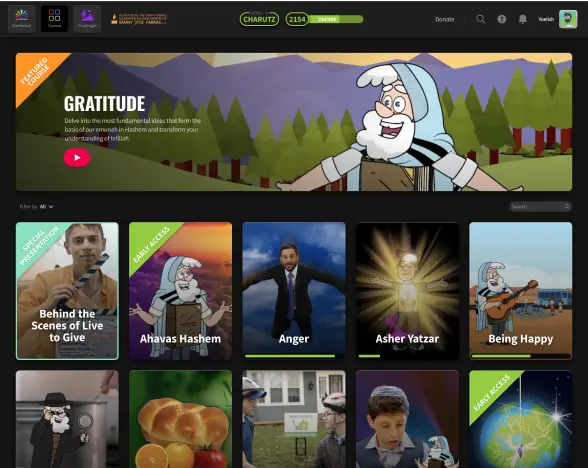
For more ways to get your children excited about Chanukah, explore the videos, games, challenges and quizzes at Torah Live. Everything is clean, fun and ma'aser approved, so your family can spend these 11 days getting ready together.