
Toldos and the power of choosing who you'll be
Ever watch two children grow up in the same home, eat the same food, hear the same bedtime stories, and turn out completely different? It happens all the time. And this week's Parsha, Toldos, shows us that this puzzle is as old as the Avos themselves.
Yaakov and Eisav were twin brothers. Same parents, same womb, same everything. Yet they became opposites in every way that matters. Their story teaches our little ones one of the biggest ideas in the Torah. Who we become is not decided for us. We choose it, one small decision at a time.
Two brothers, two very different paths
The Torah tells us that Rivka felt her twins pulling in different directions before they were even born. Chazal explain that when she passed a Beis Midrash, Yaakov stirred. When she passed a place of idol worship, Eisav stirred. Same mother, same moment, two completely different hearts.
Yaakov loved to learn Torah and do mitzvos. He was kind, helpful, and always looking to give. Eisav ran off to hunt and chase after whatever caught his eye. Rabbi Dessler teaches that every person is either a giver or a taker at their core, and these two brothers show us both roads in the clearest way possible.
Takeaway: Point out to your children that Yaakov and Eisav had the exact same start in life. What made them different was what each one chose to love.
Teaching opposites, teaching values
Morah Chaya has a wonderful way of bringing this idea down to a level young children can grasp. In her Toldos video, she teaches little ones about opposites. Day and night. Up and down. Happy and sad. Then she gently shows them that Yaakov and Eisav were opposites too.
This is such a smart teaching tool. Children already understand that day is the opposite of night. Once they get that, they can begin to understand that two brothers can be opposites in the choices they make. You can watch how she brings this to life in the Toldos video from Lessons for Little Ones, where song and storytelling make the whole Parsha come alive.
Takeaway: Use everyday opposites your child already knows to open the door to bigger ideas about good choices and kind behavior.
The soup that changed everything
Here is where the story gets exciting for little ones. One day Yaakov was cooking red lentil soup. The smell drifted out of the tent and Eisav came running in, exhausted from hunting, demanding, "I am hungry, give me soup."
Notice what Morah Chaya highlights. Eisav had no derech eretz. He didn't say please. He just barged in and demanded. Yaakov, on the other hand, valued the bechora, the special role of the firstborn, so much that he was willing to trade his soup for it. Eisav shrugged and said he didn't care. He just wanted to eat right now.
This tiny moment reveals everything. Eisav lived for what he wanted this second. Yaakov lived for what mattered forever. Rabbi Wolbe teaches that real character growth comes from becoming aware of these small daily choices, the ones that seem to matter little but shape our entire lives.
Takeaway: Talk with your children about the difference between wanting something right now and choosing what is truly important.
When Hashem guides the story
The Parsha ends with tension. Yaakov received the bracha meant for the firstborn, and Eisav was furious. Rivka told Yaakov he had to run away to stay safe. Little hearts might worry here. Will Eisav catch him?
This is the perfect moment to plant a seed of emunah. Morah Chaya reassures the children, "Don't worry, Hashem is going to help him." Even when things look scary and uncertain, Hashem is guiding every step. That reassurance is a gift we can give our children again and again.
Takeaway: When your child feels worried about a story or a situation, remind them gently that Hashem is always guiding what happens next.
Bring Toldos home today
Here are a few simple ways to turn this Parsha into real family moments:
Play the feeling game Morah Chaya suggests. Have your child close their eyes and feel an object, just like Yitzchak did, and guess what it is. Connect it to the Parsha as you play.
Name three opposites together at the dinner table, then talk about how Yaakov and Eisav were opposites in their choices.
Point out one moment each day when your child showed derech eretz, said please, or waited patiently, and praise it warmly.
Ask your child what Yaakov loved to do and what Eisav loved to do, and let them tell the story back to you in their own words.
Yaakov and Eisav remind us of a truth we can teach even the youngest child. Our choices, small as they seem, shape who we become. Just like the opening question of two children turning out so differently, the answer lies not in where we start but in what we choose to love and pursue.
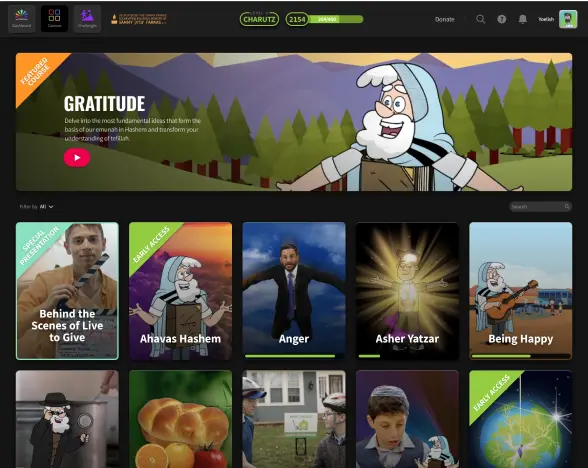
Ready to bring this Parsha to life for your little ones? Step into Torah Live's world of joyful videos, songs, games, and challenges that make learning something children actually beg for. Everything is 100% clean, fun, and ma'aser approved. Start your family's Torah adventure today and watch screen time turn into soul time.