
When honesty crosses the line into hurtful
Ever meet a kid who's so proud of telling the truth that he tells you your new tie is ugly? Meet Smooch, an orangutan in the fourth grade who just learned about honesty and decided to run with it. Maybe a little too far. His story teaches us something surprising about truthfulness and the fine line between being honest and being unkind.
Honesty is a great start, but it's not the finish line
Smooch learned a real lesson. He once lied about eating a pile of mangoes, then came clean and felt so much better. The Torah treats truth as a pillar of the world, and Chazal teach that Hashem's very seal is emes. So Smooch was right to celebrate. Telling the truth really is a huge part of growing up to be your best self.
But then Smooch got a little carried away. He decided that since honesty is good, he should announce every truth in his head. Including that he got the highest grades in the class and that his friend's tie was ugly. That's where things went sideways.
Truth without kindness can wound
Here's the twist. Smooch used honesty as his excuse to say something hurtful. When his friend asked him to stop insulting the tie, Smooch shrugged and said he was just telling the truth. Sound familiar? We've all met someone who says something rude and then hides behind, "I'm just being honest."
The Torah asks for more than raw truth. It asks for truth wrapped in chessed. Rabbi Dessler explains that a person is either a giver or a taker at the core. A giver looks for how his words can build another person up. A taker uses even truth to serve himself, to feel superior, or to vent. Smooch wasn't being a giver. He was collecting compliments for himself and dumping his opinions on a friend. Our Shmuppets video on honesty brings this lesson to life in a way little ones will laugh at and remember.
Bragging is its own kind of trap
Notice what Smooch did first. He didn't just report his grades. He compared himself to everyone else. "Better than all the other students." That's not a fact he needed to share. It's a way of building himself up by pushing others down.
Rabbi Meyers gently teaches Smooch a beautiful idea. You can be very, very special without ever comparing yourself to others. Rabbi Wolbe writes that real self-awareness means knowing your own worth from the inside, not measuring it against the person next to you. When we teach children to value themselves without ranking themselves, we hand them a gift that lasts a lifetime.
Teaching kids the full picture of honesty
So how do we raise children who love the truth and love people? It starts with showing them that honesty is a tool for good, never a weapon. The goal isn't to say everything true. It's to say what's true and helpful and kind.
When your child blurts out something honest but hurtful, you have a golden teaching moment. Praise the honesty. Then gently show them the kinder path. Little by little, they learn that being truthful and being a mensch go hand in hand.
Try these today
Praise your child's honesty out loud whenever they tell the truth, even about a mistake. This shows them truth-telling is safe and valued.
Teach the "true, helpful, kind" check. Before your child shares an opinion, ask if it's true, if it's helpful, and if it's kind. All three matter.
Model it yourself. Next time you're tempted to say something honest but sharp, pause and rephrase it with warmth. Your kids are watching.
Celebrate effort, not rankings. Praise your child for what they learned, not for beating others. This teaches self-worth without comparison.
The bottom line
Smooch reminds us that honesty is wonderful, but it needs a partner. Truth paired with kindness is what the Torah really wants from us. So the next time your child proudly tells the truth, cheer them on, then help them wrap that truth in chessed.
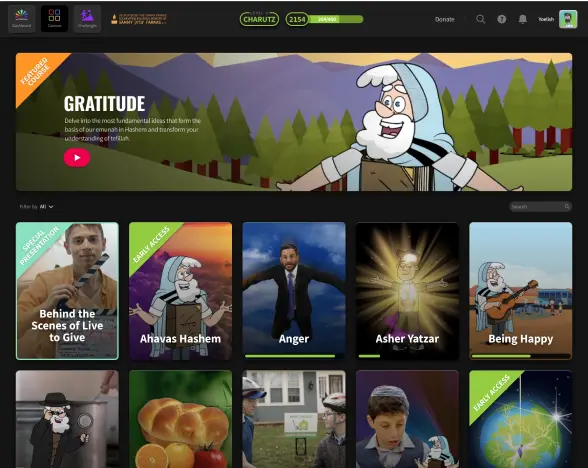
Ready to bring these lessons home in a way your kids will beg to watch again? Step into Torah Live's world of hilarious puppets, stunning videos, games, and challenges that make Torah values stick. It's 100% clean, fun, and ma'aser approved. Start your family's Torah Live adventure today and watch screen time become soul time.